 FAQs
FAQs Start a Chat
 Visit a Showroom
 Send a Message
 (888) 676-7746


The Psychology of Space: How Layout Influences Behavior at Work
Workspace design shapes how people collaborate, focus, and perform. Discover the psychology behind office layout—and how smarter design can improve productivity.



Walk into any workspace and you’ll feel something immediately—energy, calm, focus, or sometimes chaos. That reaction isn’t random. The way a workplace is designed directly influences how people behave, collaborate, and perform.
From desk placement to shared spaces, office layout plays a powerful psychological role in shaping how people work. Thoughtful design can encourage collaboration, boost productivity, and reduce stress. Poor design, on the other hand, can make focus and communication more difficult.
Research in environmental psychology and workplace design consistently shows that physical environments influence communication patterns, concentration, and overall employee well-being. Understanding these effects can help organizations create spaces that better support their teams.
One of the most well-known studies on workplace proximity comes from MIT professor Thomas J. Allen, whose research produced what is known as the Allen Curve. His findings showed that communication drops sharply as the distance between coworkers increases.
Once coworkers are more than about 25–30 feet apart, the frequency of interaction declines dramatically. Even in highly collaborative industries, people are far more likely to communicate with colleagues sitting nearby.
Design takeaway:
Keep frequently collaborating teams in closer proximity and include shared areas where spontaneous conversations can happen naturally.

Visual clutter doesn’t just look messy—it also affects how the brain processes information.
Research in environmental psychology shows that clutter competes for the brain’s attention, increasing cognitive load and making it harder to focus on a single task. Too many visual distractions can reduce mental clarity and contribute to stress.
Design takeaway:
Organized workspaces with smart storage solutions help minimize distractions and create a calmer, more productive environment.
Employees tend to perform better when they feel comfortable and in control of their workspace.
Studies examining workplace comfort have found that pleasant and well-designed environments can improve perceived productivity and overall job satisfaction. When people feel their workspace supports their needs, engagement tends to increase.
Design takeaway:
Provide flexible workspaces that allow employees to adjust or personalize their setup while maintaining a cohesive office design.

Office layout also influences how people move throughout a workspace—and that movement matters.
Research on workplace spatial design shows that layout affects how employees move, interact, and collaborate. Spaces with breakout areas, shared resources, and varied seating naturally encourage movement throughout the day.
Movement can help refresh attention and spark creativity by giving people a mental reset.
Design takeaway:
Design workplaces with multiple zones—quiet spaces, collaborative areas, and informal meeting spots—to support different ways of working.

Environmental factors such as lighting, color, and visual surroundings all influence mood and cognitive performance.
Research in environmental psychology shows that well-designed environments can improve focus, energy levels, and overall workplace satisfaction. Access to natural light, thoughtful color choices, and comfortable surroundings all contribute to a more positive work experience.
Design takeaway:
Use lighting, color, and design elements intentionally to create a workspace that feels both energizing and comfortable.
Office design isn’t just about aesthetics—it’s about supporting the way people work.
Research across workplace psychology and environmental design shows that physical space influences how often people collaborate, how easily they focus, and how comfortable they feel throughout the day.
By designing offices that balance organization, flexibility, and collaboration, companies can create environments where employees are better equipped to do their best work.
Workspace design shapes how people collaborate, focus, and perform. Discover the psychology behind office layout—and how smarter design can improve productivity.

Nomad Property Group is an NYC-based tenant advisory founded in 2019 that partners with VC-backed / high-growth companies from seed stage through IPO to design and secure office environments that scale with the business. They uniquely deliver a “Class A...

Discover how to organize your home office for maximum productivity with this step-by-step guide—plus a printable checklist to keep your workspace clutter-free.

Having the right chair matters. So does a height-adjustable desk that moves with your day. But wellness at work goes beyond great furniture — it’s about creating a workspace that supports how people feel, not just how they sit. At...

The end of the year is the perfect time to reflect, reset, and refresh your workspace. In this post, we share practical tips to wrap up your work year with intention—and start January with a clean desk, clear goals, and a pop of inspiration. From organizing your space to setting smart intentions, here’s how to finish strong and step into the new year ready to work happy.

We’ve all been there: powering through another workday with sore shoulders, a stiff back, and eyes that desperately need a break from the screen. In the modern office, discomfort can start to feel normal—but it shouldn’t be. Enter: ergonomics, your...

Discover the top 2026 office design trends shaping the future of work. From hybrid flexibility to wellness-focused spaces, learn how to create a workplace that inspires collaboration, comfort, and connection.

Growth is exciting. New team members. Bigger wins. Fresh energy. But if you’ve ever stepped into a “scaled-up” office that feels more corporate than collaborative, you know: getting bigger can sometimes mean losing what made your company culture so special....

Set your team up for hybrid success! Discover how to create flexible, consistent workspaces that keep productivity and collaboration strong across home and office.

Design a more inclusive office space with practical tips to support accessibility, flexibility, and belonging for every employee.
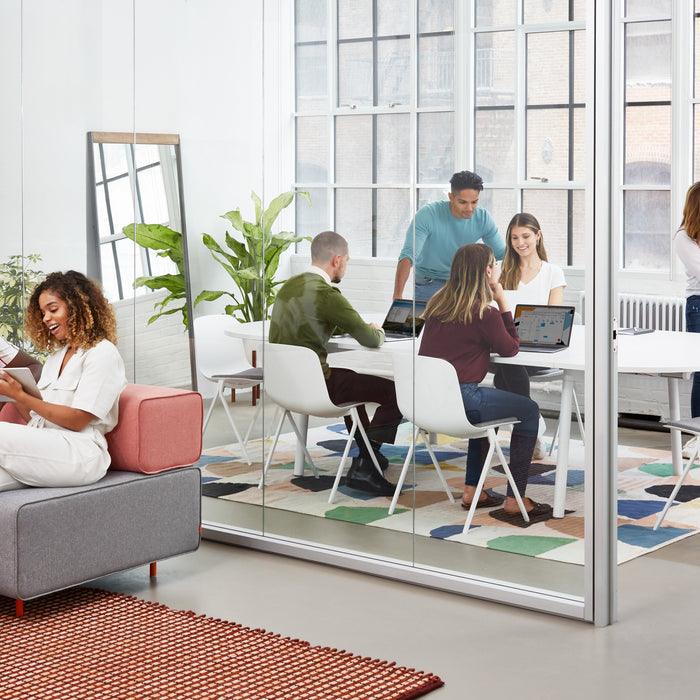
Discover how to optimize your office for summer interns with modular furniture, breakout spaces, and personalized touches. Create a flexible, welcoming environment that fosters collaboration and growth.
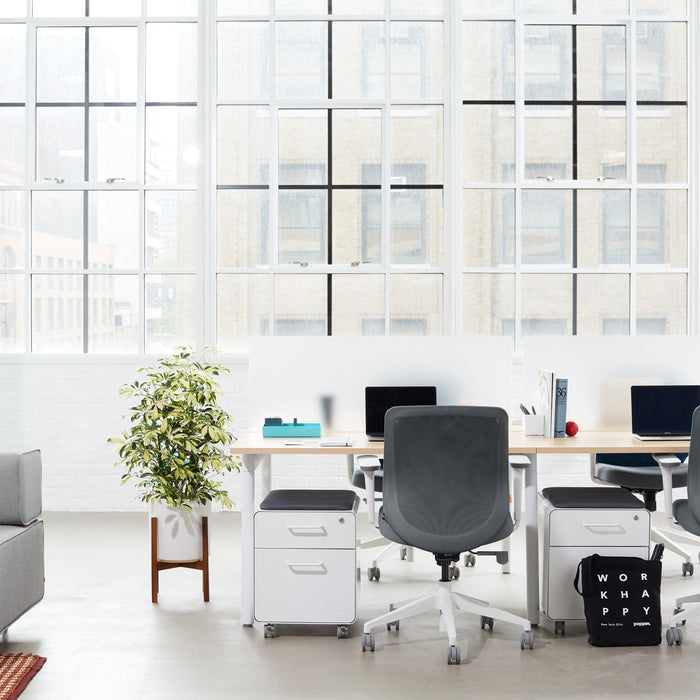
Fresh Office Energy, Zero Renovation Stress Let’s face it: not every team has the time (or budget) for a full office redesign. But the good news? You don’t need to tear down walls or replace every desk to create a...