 FAQs
FAQs Start a Chat
 Visit a Showroom
 Send a Message
 (888) 676-7746


The Psychology of Space: How Layout Influences Behavior at Work
Workspace design shapes how people collaborate, focus, and perform. Discover the psychology behind office layout—and how smarter design can improve productivity.



Inclusivity isn't just a buzzword—it’s a blueprint for creating office spaces where everyone feels welcome, comfortable, and empowered to do their best work. At Poppin, we believe great design isn’t one-size-fits-all. It’s intentional, people-first, and ever-evolving.
If you’re ready to transform your office into a space that celebrates diversity and supports every team member, here’s how to make inclusion part of your design DNA.
Designing an inclusive space begins with understanding the needs of the people who use it. That includes different abilities, working styles, cultural backgrounds, and identities.
How to get started:

Accessibility is the cornerstone of inclusive design. Think beyond compliance and toward creating a seamless experience for people of all abilities.
Design tips:

Everyone works differently. Some people thrive in quiet nooks, while others need space to collaborate and move.
How to create flexible zones:

Make your space a reflection of the diverse team that powers your company.
Inclusive design elements:
Set up wellness or prayer rooms for personal needs and practices.

These subtle choices can have a big impact on how inclusive a space feels.
What to focus on:
Inclusion isn’t a one-and-done task—it’s an ongoing commitment. Your office should be designed to grow with your team.
Best practices:
Even simple tweaks—like swapping in more inclusive signage or adding a sensory-friendly space—can make a huge difference in how people feel at work. Designing for inclusion isn’t just good design—it’s smart business. When your team feels seen, supported, and safe, they’re more engaged, productive, and proud to be part of your workplace.
And if you need furniture that flexes with your inclusive vision? That’s where Poppin comes in.

Workspace design shapes how people collaborate, focus, and perform. Discover the psychology behind office layout—and how smarter design can improve productivity.

Nomad Property Group is an NYC-based tenant advisory founded in 2019 that partners with VC-backed / high-growth companies from seed stage through IPO to design and secure office environments that scale with the business. They uniquely deliver a “Class A...

Discover how to organize your home office for maximum productivity with this step-by-step guide—plus a printable checklist to keep your workspace clutter-free.

Having the right chair matters. So does a height-adjustable desk that moves with your day. But wellness at work goes beyond great furniture — it’s about creating a workspace that supports how people feel, not just how they sit. At...

The end of the year is the perfect time to reflect, reset, and refresh your workspace. In this post, we share practical tips to wrap up your work year with intention—and start January with a clean desk, clear goals, and a pop of inspiration. From organizing your space to setting smart intentions, here’s how to finish strong and step into the new year ready to work happy.

We’ve all been there: powering through another workday with sore shoulders, a stiff back, and eyes that desperately need a break from the screen. In the modern office, discomfort can start to feel normal—but it shouldn’t be. Enter: ergonomics, your...

Discover the top 2026 office design trends shaping the future of work. From hybrid flexibility to wellness-focused spaces, learn how to create a workplace that inspires collaboration, comfort, and connection.

Growth is exciting. New team members. Bigger wins. Fresh energy. But if you’ve ever stepped into a “scaled-up” office that feels more corporate than collaborative, you know: getting bigger can sometimes mean losing what made your company culture so special....

Set your team up for hybrid success! Discover how to create flexible, consistent workspaces that keep productivity and collaboration strong across home and office.

Design a more inclusive office space with practical tips to support accessibility, flexibility, and belonging for every employee.
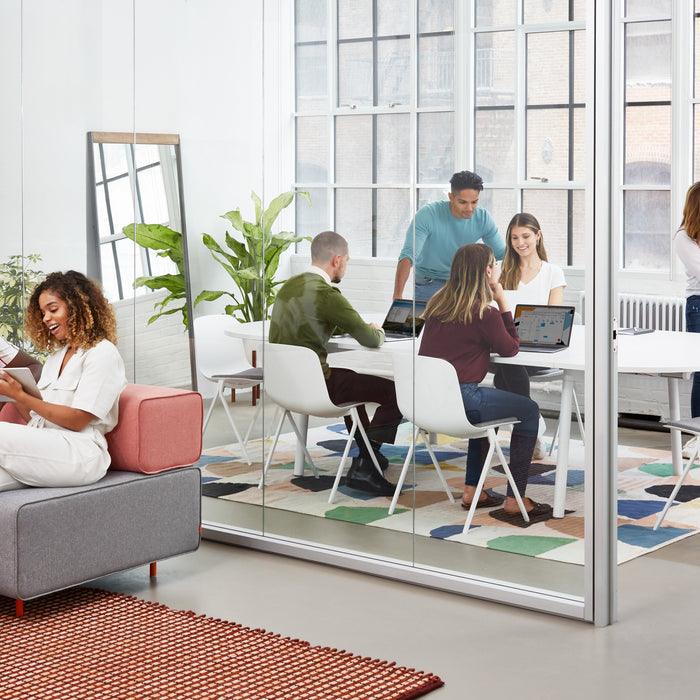
Discover how to optimize your office for summer interns with modular furniture, breakout spaces, and personalized touches. Create a flexible, welcoming environment that fosters collaboration and growth.
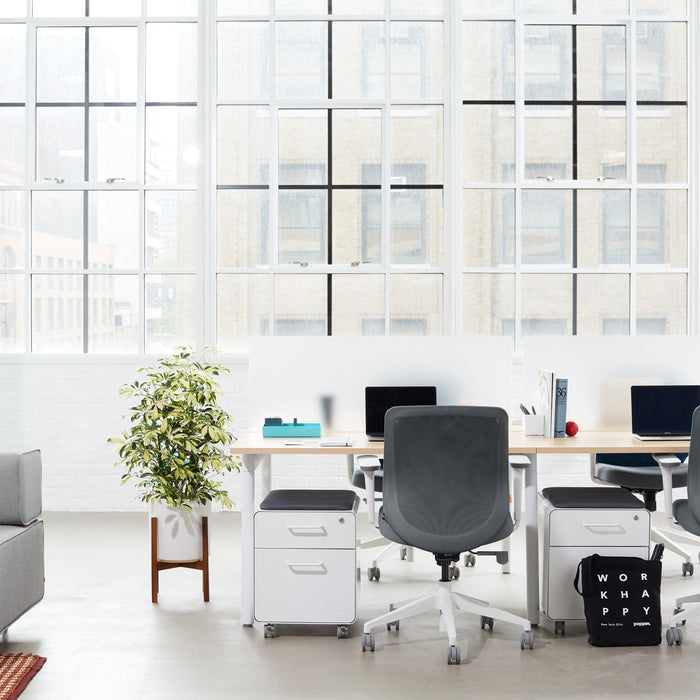
Fresh Office Energy, Zero Renovation Stress Let’s face it: not every team has the time (or budget) for a full office redesign. But the good news? You don’t need to tear down walls or replace every desk to create a...